











Edmiston broker insight: Listing your yacht for sale
Selling a yacht requires more than listing it on the market. It demands careful preparation, informed positioning and a clear strategy to reach the right buyer. This guide outlines the key considerations to support a smooth, well-managed and commercially effective sale.
The most successful yacht sales are rarely driven by exposure alone. Condition, presentation, timing and market positioning all influence how a yacht is perceived and, ultimately, how it performs on the market.
Experienced brokers will often form an impression within moments of stepping on board. The standard of maintenance, the quality of the crew, the location of the yacht and even the way it is presented all contribute to buyer confidence long before negotiations begin.
Whether preparing for a future sale or bringing a yacht to market today, understanding these dynamics can make a significant difference to both timing and outcome.
Choosing the right brokerage
Selecting the right brokerage is about more than scale alone. Experience within your yacht’s size, category and market segment is essential, but so too is the strength of relationships and the ability to access qualified buyers discreetly and efficiently.
The broker themselves also matter. Yacht transactions are highly personal, often developing over months or years, and the best brokers understand not only the yacht, but the lifestyle and priorities behind the purchase.

As Sales Broker Andrew Bond notes: “Like with anything, this purely comes down to the relationship. The journey of buying a yacht is incredibly personal. It should be a joyous experience, where the broker removes complexity and delivers a yacht to a client ready to begin a new chapter.”
The role of a broker is not simply to market a yacht, but to position it correctly, manage momentum and guide negotiations with clarity and perspective.
Presentation shapes perception
Well-presented yachts consistently attract stronger interest. Buyers respond quickly to signs of care, attention and ongoing investment, particularly in a market where many yachts may share similar specifications on paper.
For yachts over ten years old, a pre-sale survey can be a valuable exercise, allowing Owners to approach the market with greater confidence and transparency.


Paintwork is often one of the first indicators buyers notice. Equally, the condition of interiors, machinery spaces and technical systems all contribute to the overall impression of the yacht. Well-maintained engines, generators and onboard systems help reinforce confidence in the yacht’s operational standard and long-term upkeep.
Small details matter. Experienced buyers and technical teams will quickly identify whether a yacht has been consistently maintained, and those early impressions often shape the direction of negotiations.
Location and market visibility
Where a yacht is located can directly influence the pace of a sale. Market data consistently shows that yachts positioned in key global yachting hubs tend to generate stronger levels of buyer activity and more efficient sales processes.
Accessibility is also important. Buyers frequently arrange multiple viewings within a short timeframe, making proximity to major marinas, shipyards and international airports a practical advantage.


Presentation extends beyond the yacht itself. High-quality photography and film are essential in shaping first impressions and generating serious enquiry.
Sales broker, Jonathan Barbe explains: “We are operating in the most refined end of the market. Clients expect exceptional imagery and well-produced walkthroughs.”
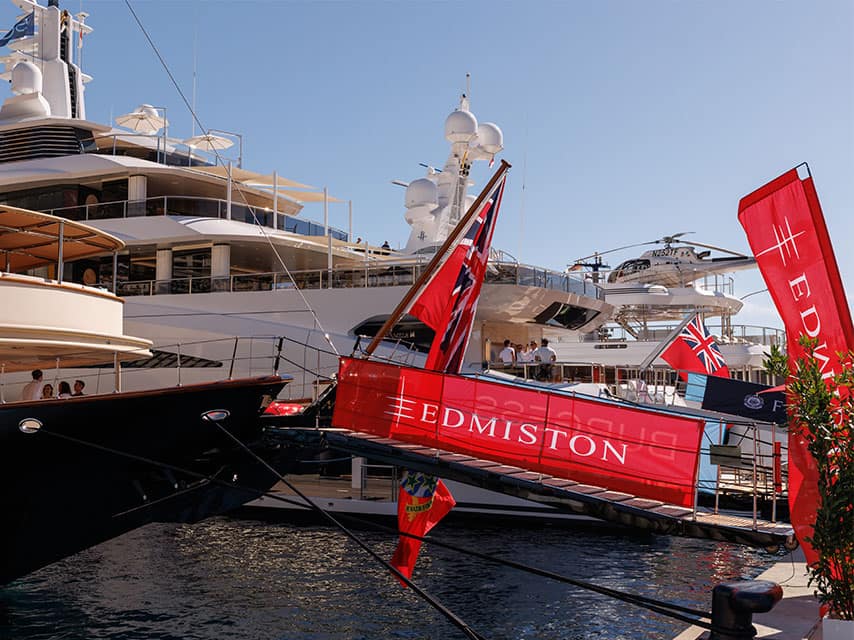
Yacht shows also remain one of the most effective environments for connecting with active buyers.
“Yacht shows are a valuable use of time for buyers, allowing them to view multiple yachts in a short period, while keeping the industry up to date with available brokerage yachts and new deliveries.” – Sales broker, Simon Goldsworthy.
Inspections, sea trials and buyer confidence
Technical inspections are a fundamental part of the sales process. Buyers are typically supported by surveyors, engineers and technical representatives conducting detailed reviews of the yacht’s condition and operational systems.
Sea trials provide an opportunity to assess performance first-hand, while inspections often involve close examination of engine rooms, technical spaces and maintenance records.


Preparation and transparency are critical throughout this stage. Well-organised documentation, an informed crew and a yacht presented in strong operational condition all contribute to a smoother process and greater buyer confidence.
Compliance also plays an important role. Yachts operating under recognised classification societies and flag state regulations provide additional reassurance regarding maintenance standards, operational standing and long-term credibility.
As Sales Broker Charles Carveles notes: “A well-maintained, fully compliant yacht reassures buyers of its reliability, legal standing and overall condition, making the sale smoother and more attractive.”
Negotiation and market reality
Final sale prices are influenced by a combination of factors, including maintenance history, market conditions, comparable sales and survey outcomes.
Negotiations can evolve quickly once inspections begin, particularly where technical findings influence buyer expectations. The strongest results are typically achieved by yachts that present consistently well from the outset, both technically and cosmetically.


Sales broker, Alex Busher reflects: “There are many factors that can affect the final sales price of a yacht, but they often come back to the standard of maintenance and upkeep, driven by a professional crew. With experience, you develop a sixth sense quite quickly by spending a short time on board. There are always small signs that reveal a great deal.”
Patience also remains important. Buyers in this market move carefully, often comparing multiple opportunities before making a decision. A measured approach, supported by accurate market guidance and experienced negotiation, is essential to achieving the right outcome.
Closing and handover
A successful transaction extends well beyond agreeing terms. Crew matters, outstanding liabilities, documentation and operational handovers all need to be carefully managed before completion.
Service records, warranties, compliance certificates and maintenance histories should be organised and readily available, helping ensure continuity for the new owner and confidence throughout the transition.
With the right preparation and guidance, the sales process becomes significantly more efficient, transparent and rewarding for all parties involved.
Final thoughts
The yachts that sell most successfully are rarely there by chance. Preparation, presentation, positioning and timing all influence how a yacht is received by the market.
For Owners considering a future sale, understanding these factors early can make a significant difference to both value and efficiency when the time comes to bring a yacht to market.
For more information on selling your yacht with Edmiston, speak with our team.