




Edmiston & Conservation Collective: Impact Report 2025
Through Conservation Collective, Edmiston is investing in high-impact marine protection across the Mediterranean and Caribbean, enabling frontline organisations to restore ecosystems, improve fisheries compliance and defend vulnerable species.
In 2025, for the fourth consecutive year, Edmiston committed a further £105,000 to Conservation Collective and its network of local foundations, bringing total support to £322,000 across eight projects in four countries.
Spanning wildlife rescue and rehabilitation, ghost net recovery, sustainable fisheries reform and sea turtle protection, this partnership represents targeted, long-term investment in practical marine solutions. In this report, we examine the measurable environmental and community impact delivered across our key cruising regions.
Why this work matters
Conservation Collective operates across some of the world’s most remarkable marine ecosystems, from coral reefs in the Caribbean to the crystalline waters of the Mediterranean. These are places where nature and people remain deeply interconnected. Yet they are also under strain.
In the Caribbean, some of the world’s largest Marine Protected Areas exist on paper, but only a small percentage are effectively managed and protected. In the Mediterranean, waters are warming significantly faster than the global average, compounded by heavy human pressure. Illegal fishing, habitat degradation, ghost nets and wildlife disturbance continue to threaten fragile ecosystems.
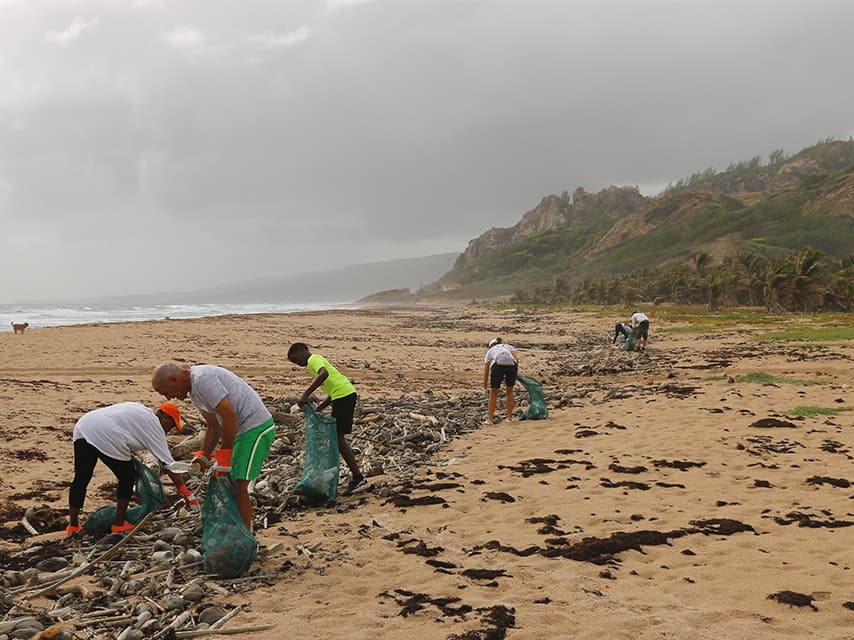
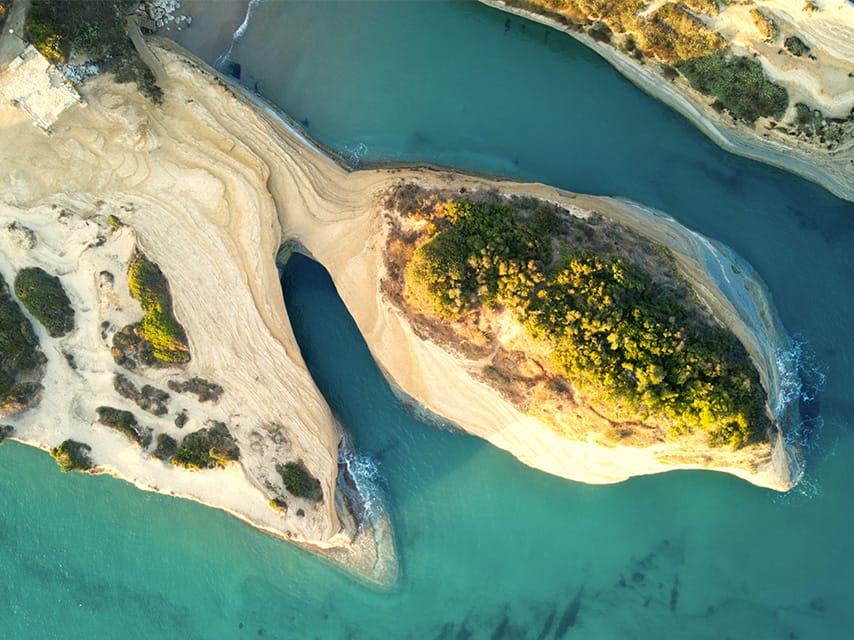
The most effective solutions are rarely imposed from above. They are built within communities, by equipping local organisations, fishers, volunteers and authorities with the tools, training and incentives to protect their own natural capital. That is the model we support.
Wildlife first response in the Aegean
Across the Mediterranean, cases of injured and stranded marine animals are increasing due to habitat loss, underwater noise and vessel traffic. For endangered species such as monk seals, sea turtles and cetaceans, rapid and informed intervention is critical.
Through funding to the Cyclades Preservation Fund, Edmiston supported the expansion of the Aegean Care for Wildlife programme. The initiative builds a coordinated rescue and information network across the Cycladic islands, training authorities, NGOs and residents in wildlife first aid and rehabilitation.
In 2025, the programme expanded to Astypalaia and Ios, training 51 new participants who registered as volunteers and equipping local authorities with rescue toolkits. It is now active across five islands.
The results are tangible. Over the past two years, 406 animals have been rescued and rehabilitated across the programme’s islands, with 212 successfully released back into the wild. Species monitored include monk seals, dolphins, whales, turtles, reptiles and more than 80 bird species.
Perhaps most telling is the behavioural shift. Reported cases of injured wildlife have doubled in some areas following training, reflecting greater awareness and faster response times. When local communities are empowered with knowledge and equipment, survival rates improve.
Removing ghost nets from the Ionian Sea
Lost fishing gear, known as ghost nets, is among the deadliest forms of marine litter. These submerged synthetic nets entangle wildlife for years after being abandoned. The number of species affected has risen sharply over the past decades, impacting marine mammals, seabirds and all species of marine turtles.
Edmiston is supporting the Ionian Environment Foundation’s ghost net clean-up project in Gravia, Corfu. Working alongside local fishers, divers and community groups, the project targets known ghost net hotspots, including near-pristine Posidonia seagrass meadows.
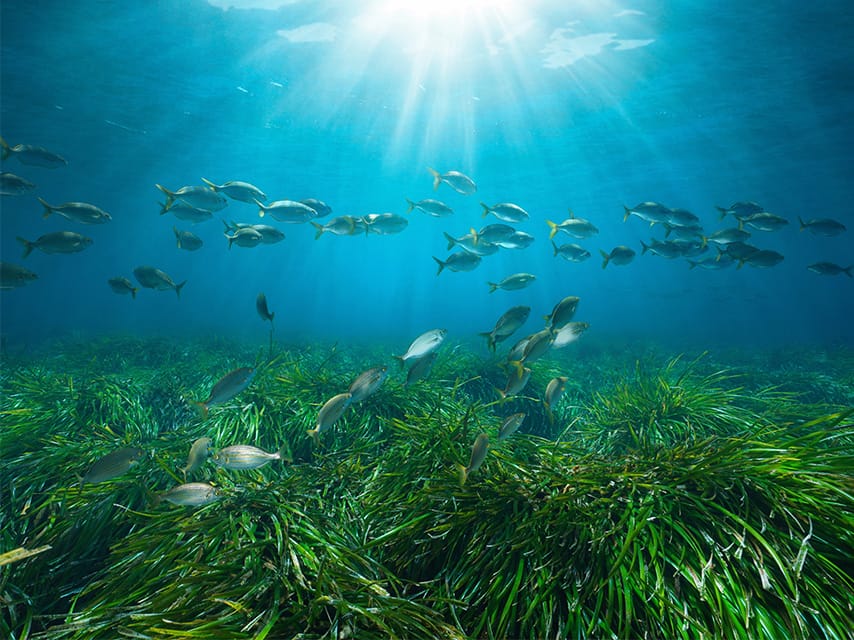
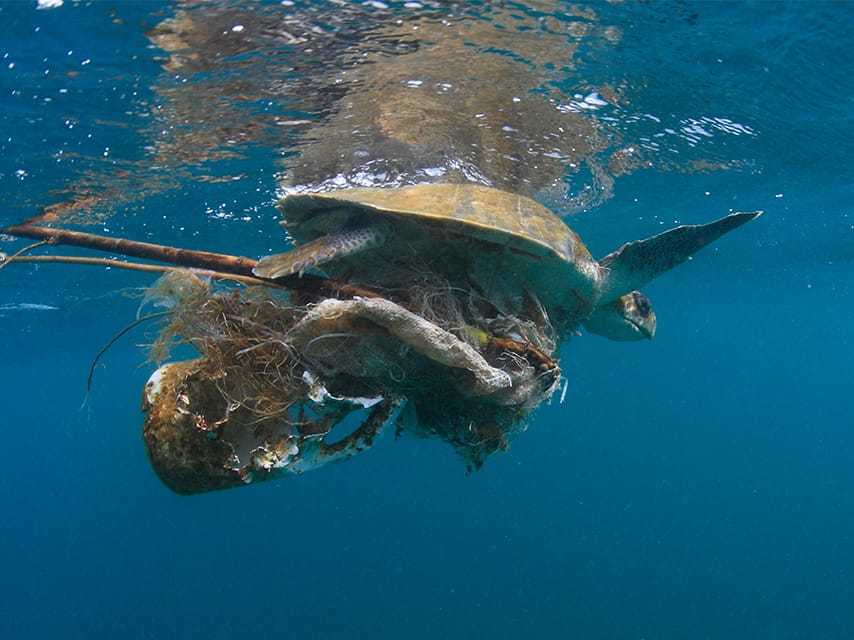
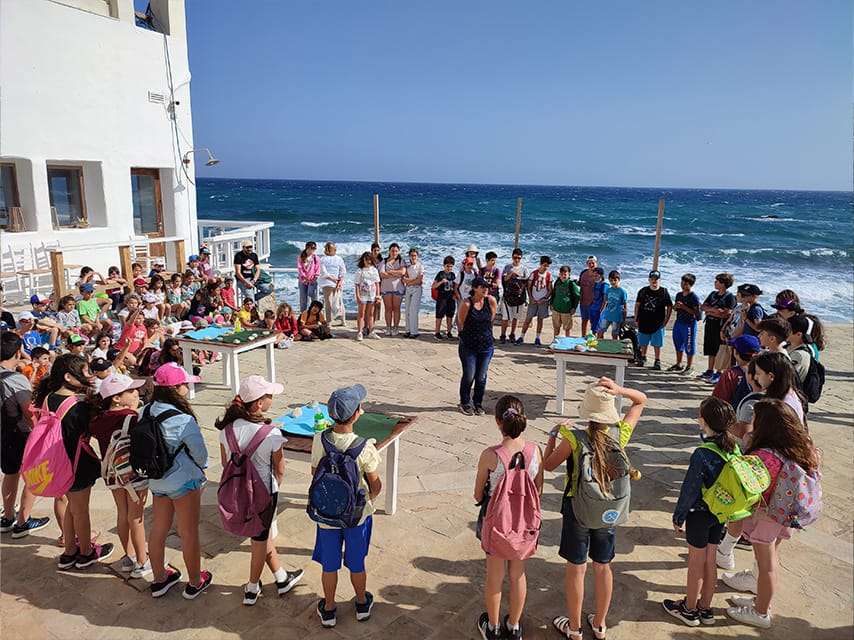
The first underwater clean-up recovered over 60 kilograms of long-submerged nets. Beyond removal, the project incorporates education and awareness, convening roundtables with fishers and engaging local children through creative recycling initiatives.
This approach recognises that lasting impact depends on collaboration with those who depend on the sea for their livelihood. Early engagement with local fishers has laid the groundwork for continued participation in future recovery missions.
Strengthening sustainable fisheries in the Balearics
The Mediterranean is the most overfished sea in the world, with a significant proportion of fish stocks exploited beyond sustainable limits. Illegal, unreported and unregulated fishing continues to undermine conservation efforts.
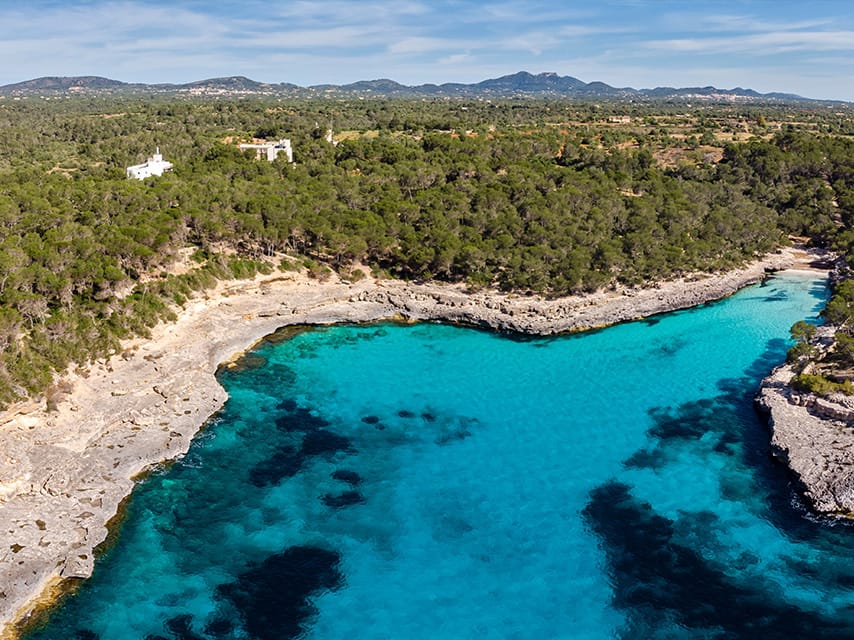
Through support to the Marilles Foundation and its partners, Edmiston backs the Calant Xarxes Alliance in the Balearic Islands. The alliance works across the seafood value chain to improve sustainability, strengthen compliance and promote responsible consumption.
In 2025, 35 Mallorcan fishers received training in sustainability standards, and 30 vessels achieved certification under the Millorquin local sustainable fishing brand. Certified fishers can command premium prices, rewarding responsible practice with economic benefit.
The initiative also distributed 3,500 copies of the Balearics Sustainable Seafood Guide, embedding awareness among consumers, restaurants and public authorities. Restaurants signed commitments to transition towards sustainable sourcing, while workshops engaged government and marine forums.
Protecting sea turtles in St Vincent & the Grenadines
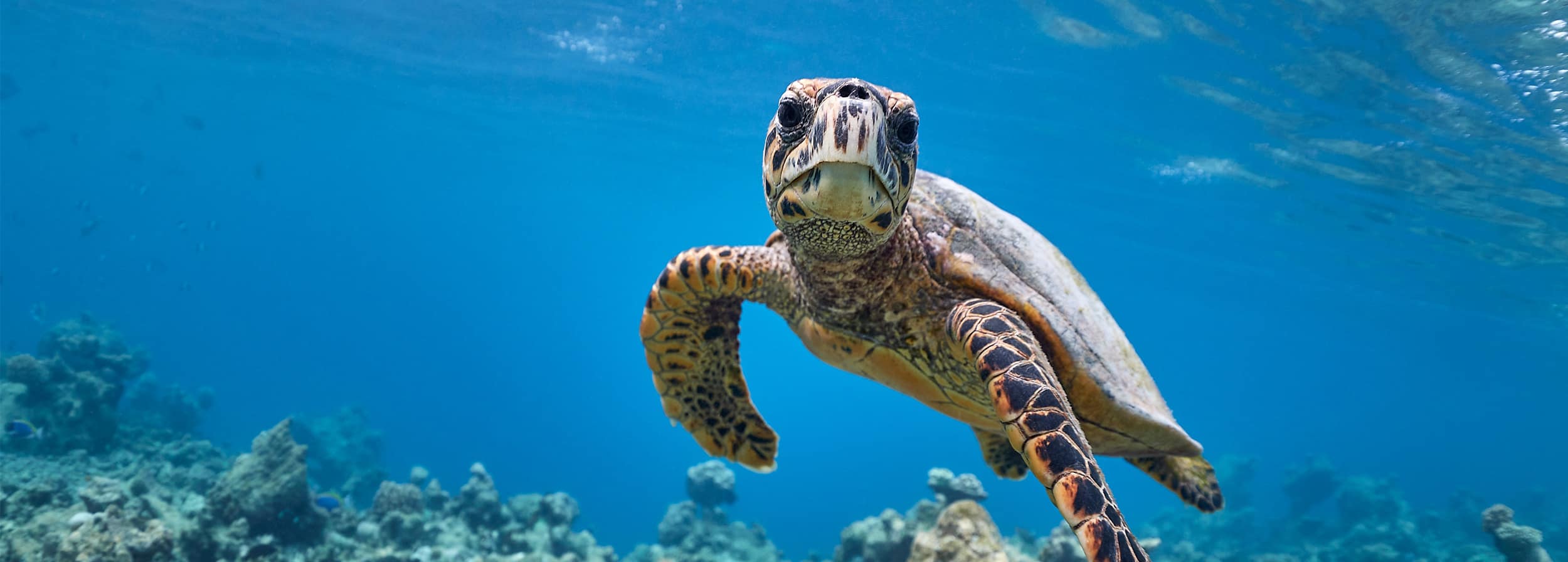
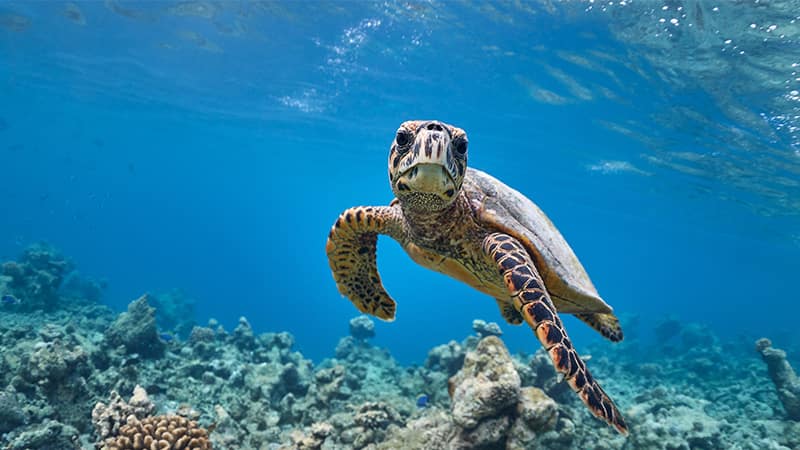
In St Vincent and the Grenadines, legislation banning turtle hunting was passed in 2017. Yet illegal poaching persists. Edmiston supports the Sea Turtle Project led by the St Vincent and the Grenadines Environment Fund.
Since 2022, the project has trained and employed more than 20 local monitors to patrol nesting beaches, deter poachers and collect data. In 2025, monitoring covered 13 beaches across St Vincent and Bequia. During a November visit, more than 80% of eggs in three excavated nests successfully hatched, representing around 240 hatchlings.
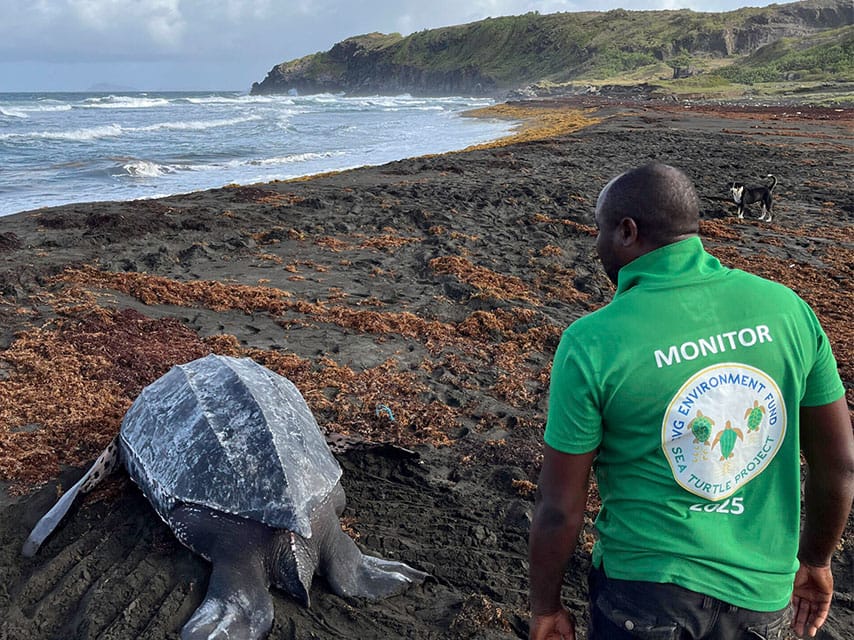
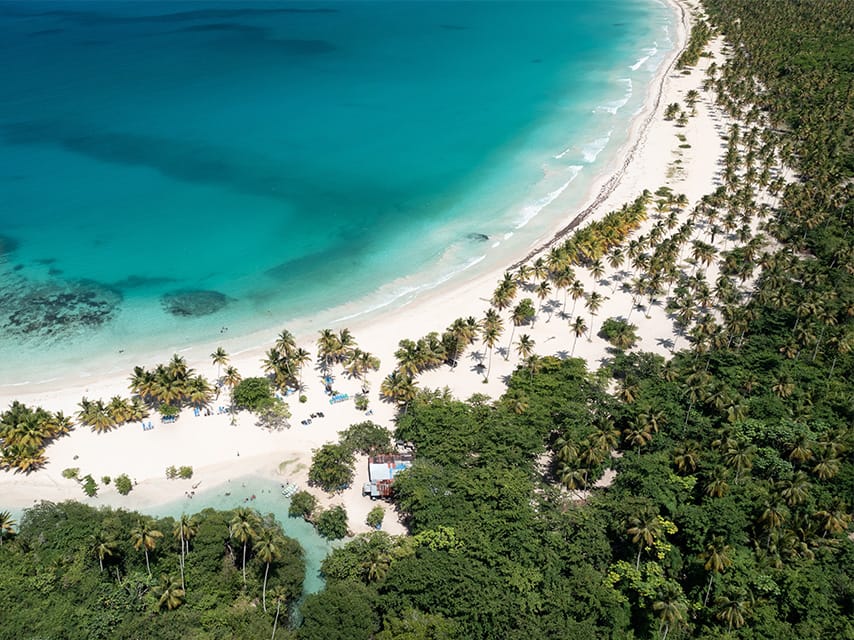
Illegal activity was still reported during the season, reinforcing the need for continued presence and deterrence. Yet the project has achieved something deeper: a visible shift toward shared responsibility for turtle protection within the community.
Digitising fisheries oversight: Digifish
Effective conservation depends on data. In many small island states, limited monitoring and enforcement capacity allows unsustainable fishing to go undetected.
Edmiston is helping expand the Digifish initiative to St Vincent and the Grenadines. The project equips small-scale fishing vessels with solar-powered tracking devices to monitor activity in No Take Zones, support marine research and enhance safety at sea.
Ten monitoring devices have been procured and are awaiting customs clearance. Once deployed, they will generate data to be shared with fishers’ cooperatives, the Fisheries Division and the Coast Guard, improving compliance and transparency.
A portfolio approach to marine protection
Taken together, these initiatives form a deliberate, portfolio-led approach to marine protection. Each project is distinct in geography and focus, yet unified by clear principles: strengthening local capacity, aligning economic incentives with environmental responsibility, improving data and transparency, and fostering collaboration between NGOs, authorities and industry stakeholders.
Edmiston’s support is directed across five core impact areas: Posidonia protection, sustainable fisheries, wildlife rehabilitation, ghost net recovery and sea turtle conservation. The intention is not isolated intervention, but systemic reinforcement of marine resilience across key cruising regions.
The outcomes are measurable. Wildlife rescue networks operating across five Cycladic islands. Ghost nets lifted from vulnerable seabeds in the Ionian. Fishing vessels certified under rigorous sustainability standards in the Balearics. Nesting beaches monitored and protected in St Vincent. Digital tracking technology introduced to strengthen fisheries oversight.
Yet impact cannot be measured by metrics alone. It is reflected in trained volunteers responding with confidence to wildlife strandings, in fishers rewarded for responsible practice, and in hatchlings reaching open water under sustained community protection. This is marine stewardship embedded at source.
Looking ahead
For 2026, projects will scale further. The Wildlife Care programme is expanding to a sixth island in the Cyclades. Ghost net recovery will continue in Paxos. The Calant Xarxes Alliance is developing a new sustainability brand in Menorca. Turtle monitoring data will inform next season’s strategy. Digifish will move from procurement to implementation once devices are cleared.
At Edmiston, we believe stewardship of the sea is inseparable from our business. The destinations we represent, the voyages we curate and the communities we engage all depend on healthy marine ecosystems. Our partnership with Conservation Collective reflects that responsibility. It is long-term, locally anchored and results-driven.
Protecting the ocean is not an abstract commitment. It is practical, collaborative and ongoing. And we remain committed to seeing it through. For further information on the Edmiston Foundation or to make a donation to Conservation Collective, please get in touch today.